
Good Practices
How MAYA put the Montessori approach into practice with young adult NEET women and the professionals who support them. Each practice below was tested in the field during the project and can be transferred to other organisations.
Adapting Montessori principles to adult learning
What makes MAYA distinctive is that the principles Maria Montessori developed for children's education have been adapted and reinterpreted for disadvantaged young adult women. Instead of imposing a rigid curriculum, these principles were turned into a flexible road map that places each woman's own pace, background and goals at the centre.
The approach is described in the MAYA Handbook and translated into the 7-module Training Curriculum, the Mentoring Programme and five interactive tools.
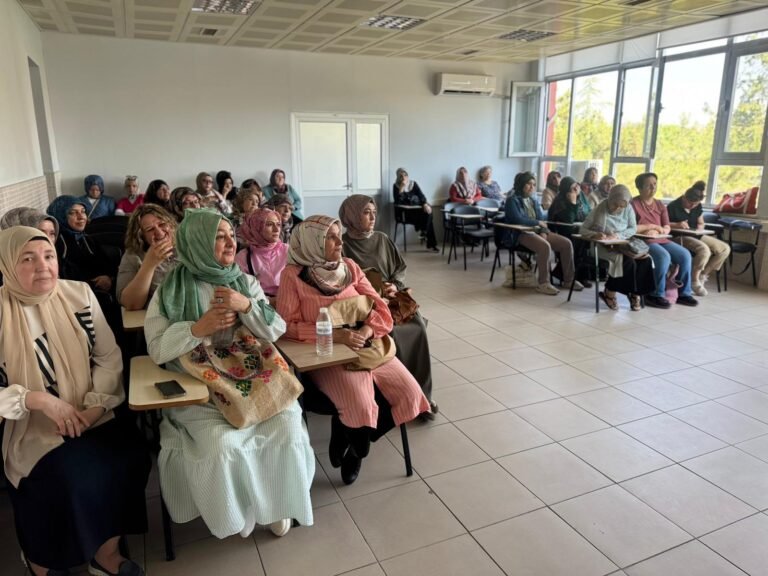
Pilot trainings and one-to-one mentoring in Konya
Group trainings based on the MAYA curriculum were delivered at the Selçuklu Youth Council, the Atmosfer Bosna Youth Centre and the Meram Public Education Centre. A one-to-one mentoring process was launched in parallel with the trainings. Youth workers, trainers and specialists supporting NEET women examined and evaluated the MAYA results.
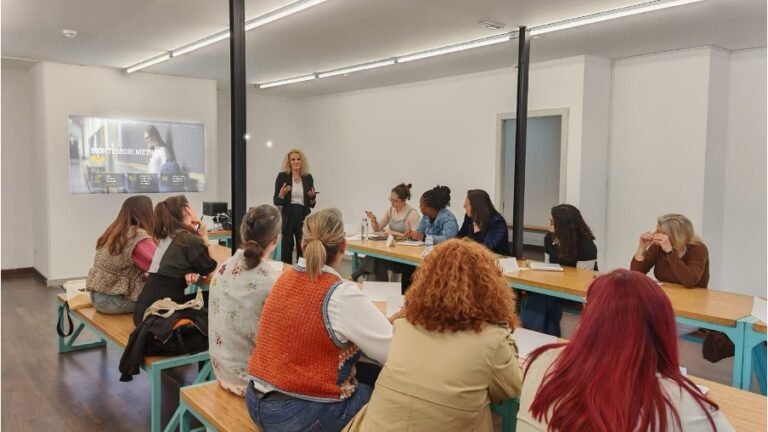
Mentoring cycle with young NEET women in Amadora
Coordinated by Amadora Inova, a mentoring cycle tested the seven-module MAYA Training Curriculum and mentoring approach, using interactive, learner-centred activities to support confidence-building, personal planning and employability. A local multiplier event then shared the lessons learned with professionals in education, social inclusion and youth support.
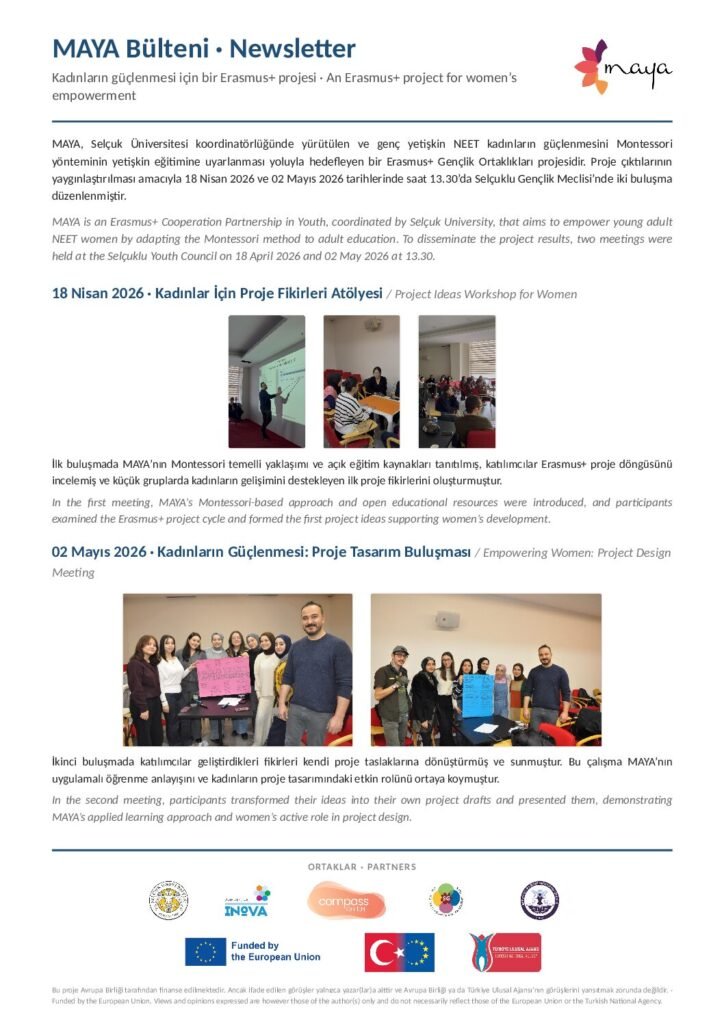
From ideas to project drafts: workshops for young women
To disseminate the project results, two meetings were held with young women. In the first, MAYA's Montessori-based approach and open educational resources were introduced; participants examined the Erasmus+ project cycle and formed, in small groups, their first project ideas supporting women's development.
In the second meeting, participants transformed their ideas into their own project drafts and presented them, demonstrating MAYA's applied learning approach and women's active role in project design.
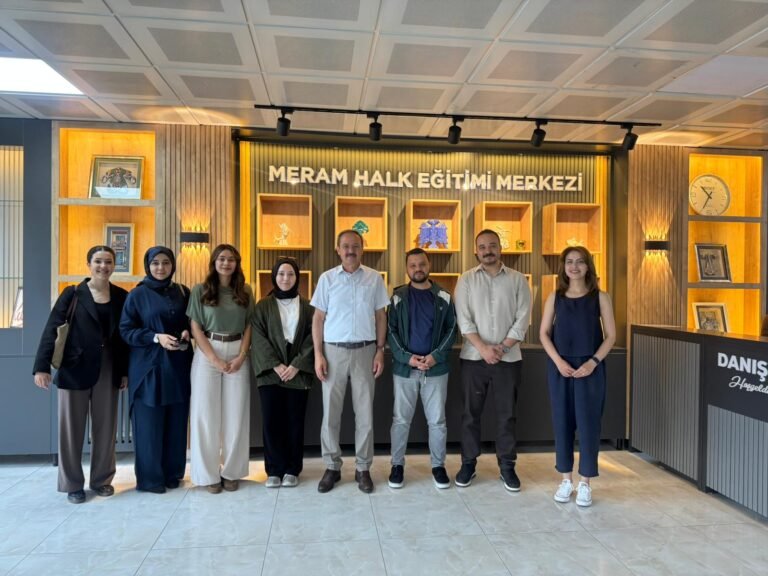
Case studies from all partner countries
Further practices from Türkiye, Portugal, Italy and Austria, including case studies, field experiences and participant stories, are collected in the Compendium of Actions and Experiences and in the national reports.