MAYA Project Pilot Trainings Completed in Konya: Montessori Brought into the Field
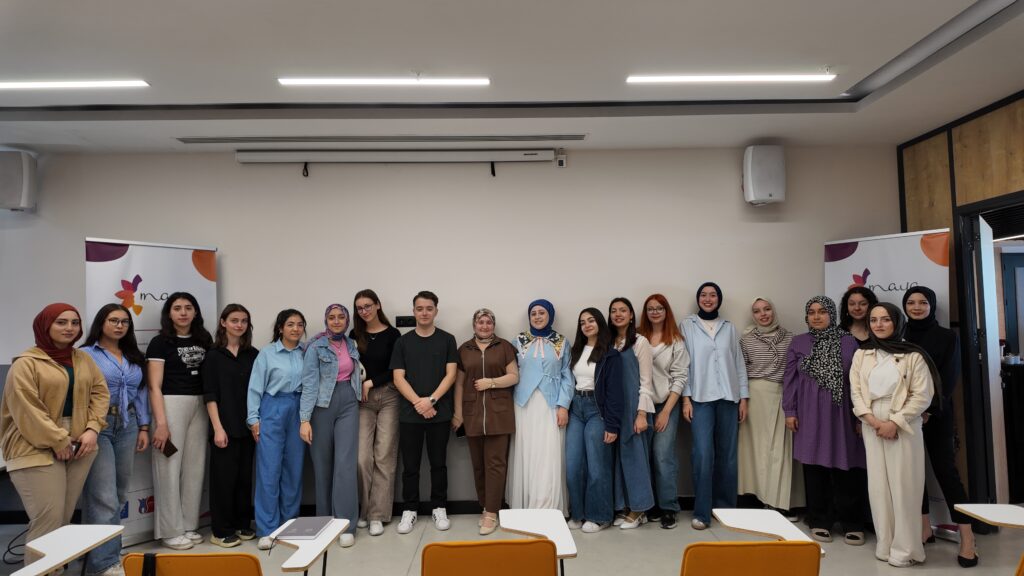
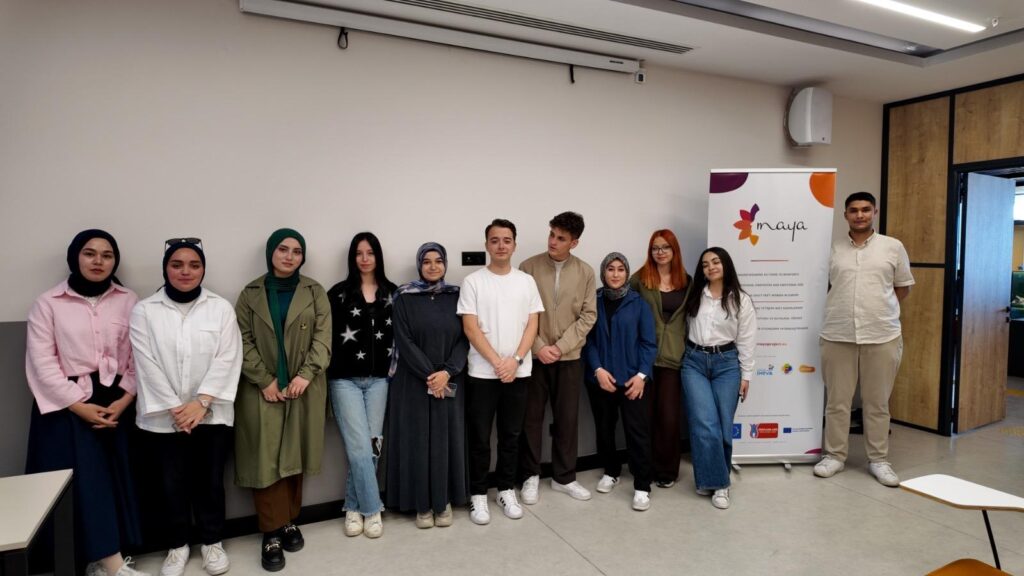
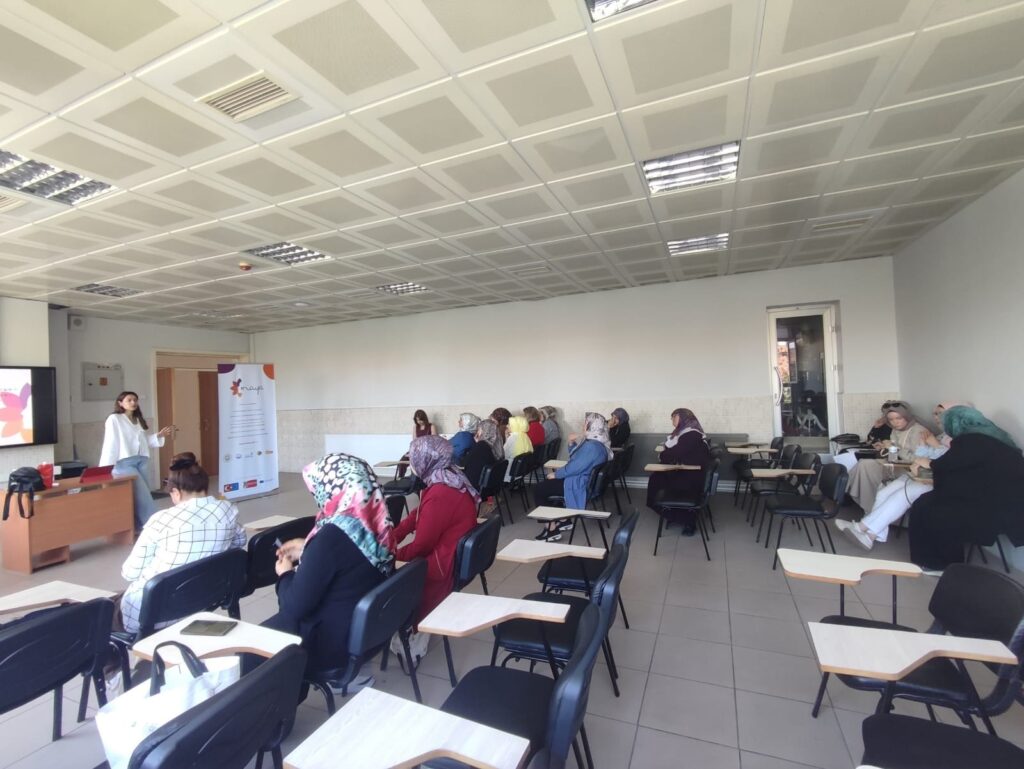
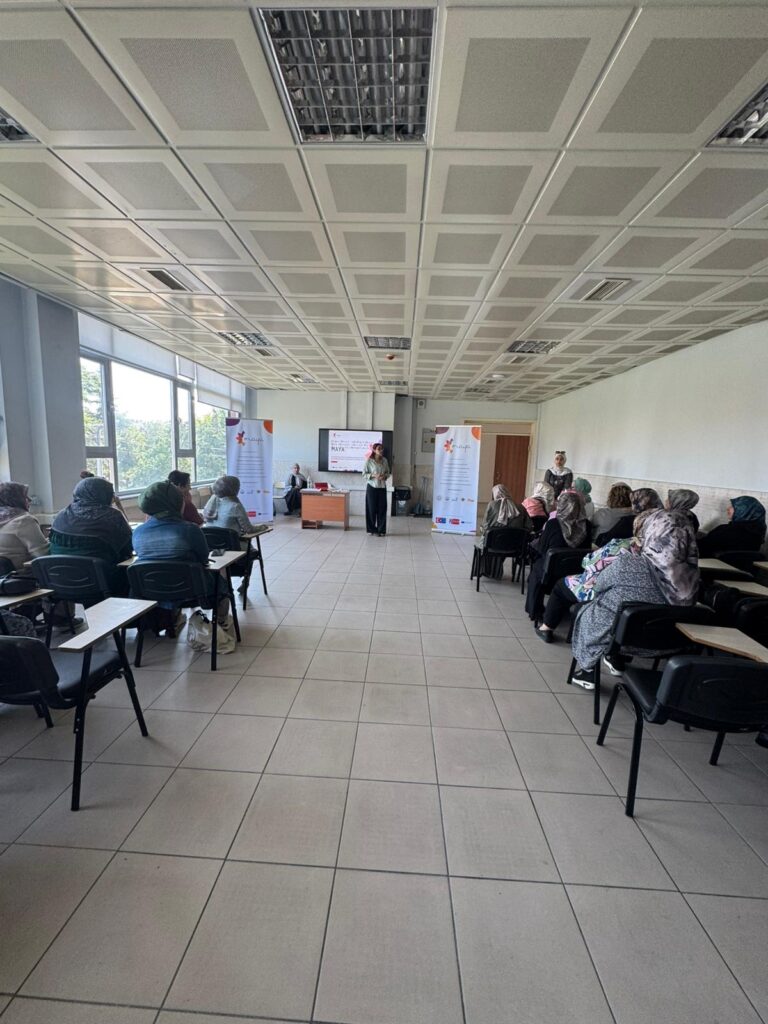
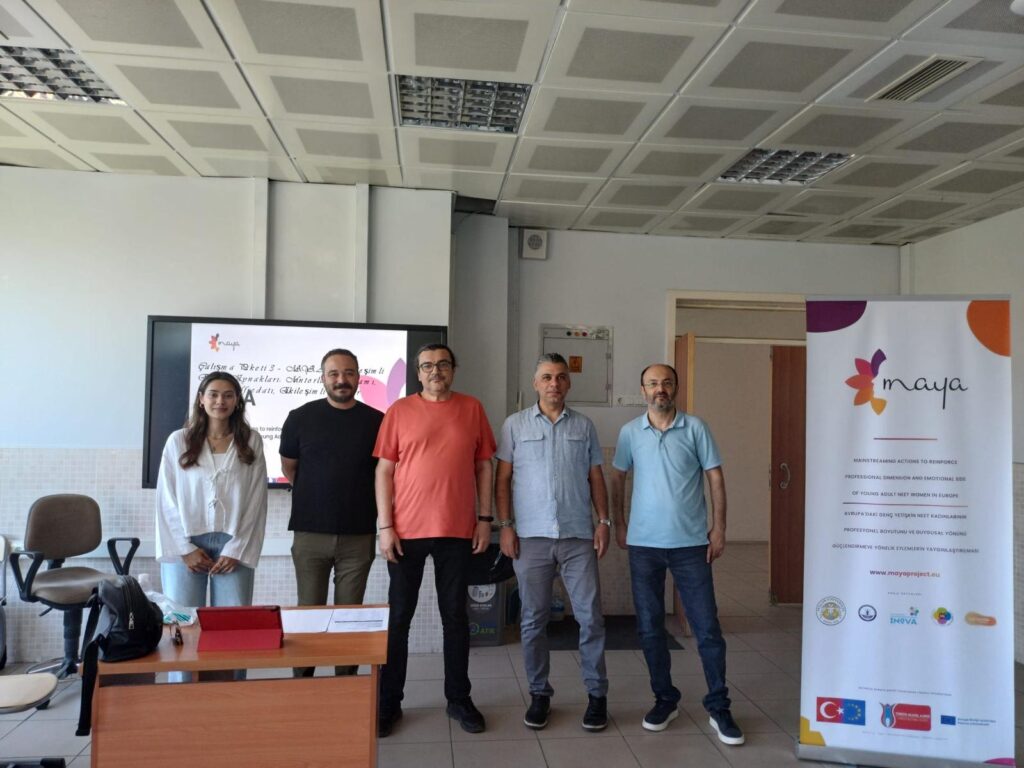
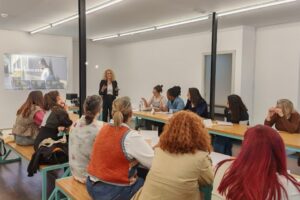
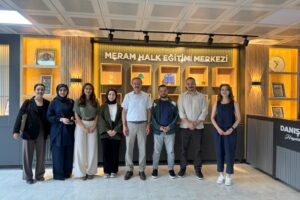
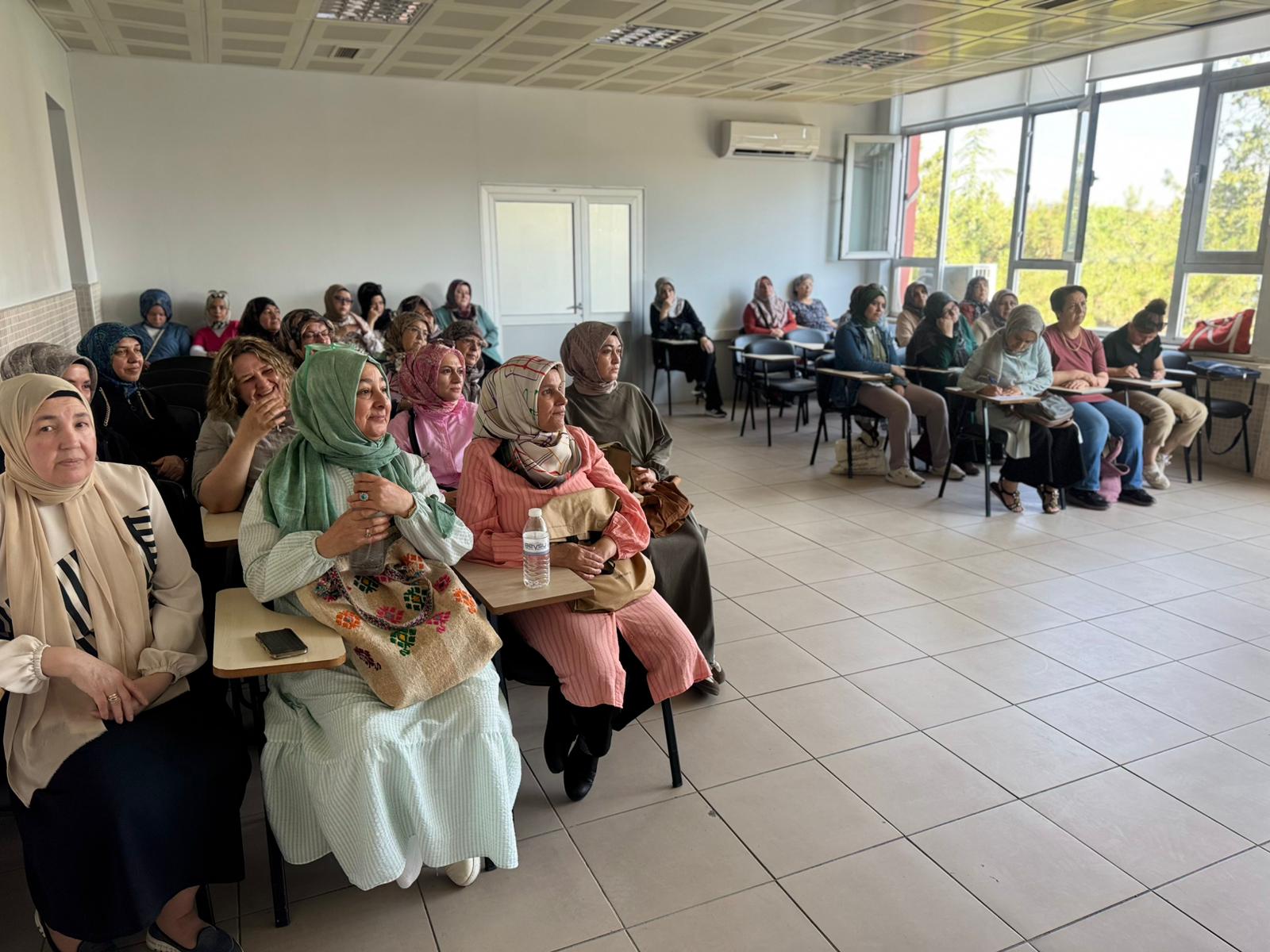
The pilot trainings of the MAYA Project (Mainstreaming Actions to Reinforce the Professional Dimension and Emotional Side of Young Adult NEET Women in Europe) — carried out under the coordination of Selçuk University within the Erasmus+ Programme, funded by the European Commission through the Turkish National Agency — have been completed at the Selçuklu Youth Council, the Atmosfer Bosna Youth Centre and the Meram Public Education Centre. A one-to-one mentoring process was also launched in parallel with the trainings.
Within the first target group (TG1), group trainings were delivered for 30 young NEET women aged 25–29. Within the second target group (TG2), 31 professionals working in the field — youth workers, trainers and specialists supporting NEET women — examined and evaluated the MAYA results.
Adapting the Montessori Approach to Adult Education and to the Field
What makes MAYA distinctive is that the principles Maria Montessori developed for the education of children have been adapted and reinterpreted for disadvantaged young adult women. Principles such as observation, a prepared learning environment, tactile and hands-on materials, autonomy and self-directed learning have been transformed — instead of imposing a rigid curriculum — into a flexible road map that places each woman’s own pace, background and goals at the centre. In this approach, trainers are positioned not as transmitters of knowledge but as guides who facilitate the process and design it together with the participants.
Seven Modules and Field Activities
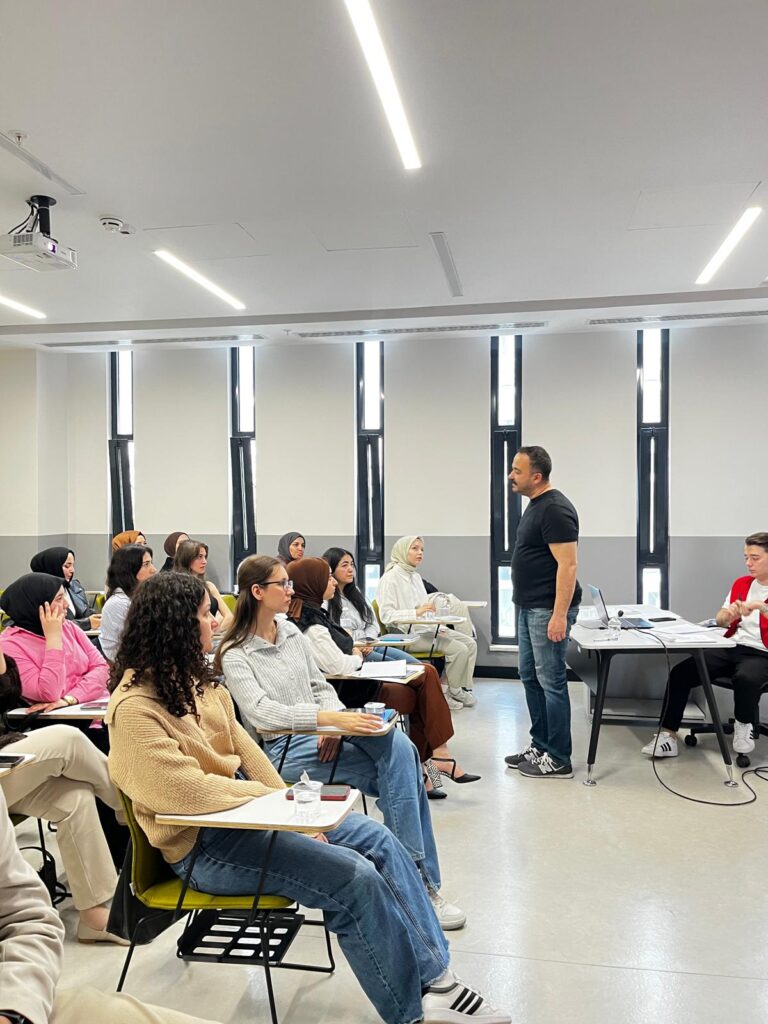
The trainings were conducted by following the seven-module, Montessori-based MAYA Training Curriculum. Each module consists of a session plan, learning objectives, activities, reflection questions and assessment tools.
Module 7 – Personal Education Plan (PEP): each participant created a personal road map setting out their short- and long-term goals, strengths and the steps to be taken.
Module 1 – Individualisation of Training, Co-design and Observational Learning: in the “Learning Journey Mapping” activity, participants visualised their own turning points, while in the “Co-design of a Workshop” activity small groups jointly devised their own sessions.
Module 2 – Participatory Approach and Learning Communities: peer support and joint decision-making were experienced through the “Ladder of Participation” and “Learning Community Map” activities.
Module 3 – Mental Stimulation of Young Adult Learners: active participation was ensured through open-ended questions, real-life scenarios and collaborative problem-solving tasks.
Module 4 – Development of the Senses, Tactile Approach and Technology Integration: abstract topics were made tangible; for example, budget management was practised using coloured cards and coins.
Module 5 – Emotional Intelligence and Social-Emotional Learning: activities fostering empathy, self-regulation and in-group trust were carried out.
Module 6 – Progress Monitoring: the development of adult learners was tracked through observation, journaling and reflection.
Five Interactive Tools and Mentoring
Alongside the modules, the five interactive tools developed within WP3 were tested directly with the group. These tools consist of the personal goal map, the real-world simulation, the peer mentoring circles, scenario co-creation and the skills-swap fair. The one-to-one mentoring process, in which participants are paired with mentors, has also begun; this process supports the transfer of the gains achieved in training to personal goals. At every stage, signed informed-consent forms, pre-tests and post-tests, and module evaluation surveys were administered.
Throughout the trainings, participation was observed to be high, and the activity-focused, learner-centred approach was seen to strengthen group interaction and peer learning. The feedback received from professionals was also highly positive; the ready-to-use nature of the tools and the inclusive design of the curriculum were particularly appreciated. The results obtained from the pilot contribute directly to the project’s National Report and to the MAYA Open Educational Resources, which are kept freely accessible at mayaproject.eu.
This project is carried out under the Erasmus+ Programme, funded by the European Commission through the Turkish National Agency (Project No: 2023-1-TR01-KA220-YOU-000161339). However, the views and opinions expressed are those of the authors alone and do not reflect those of the European Commission or the Turkish National Agency. Neither the European Commission nor the Turkish National Agency can be held responsible for the content set out herein.